Natural ventilation for homes relies on the flow of air through windows, doors, and other openings without the use of mechanical systems like fans or air conditioning.
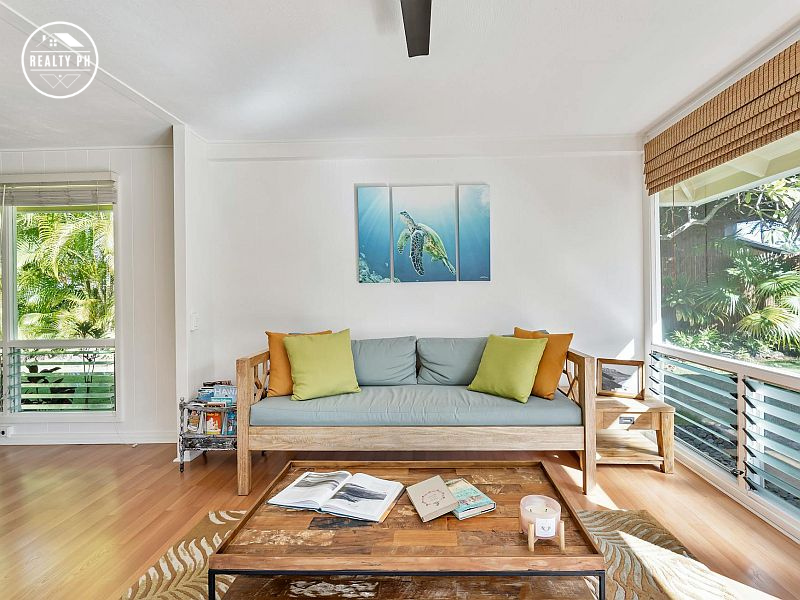
By using natural ventilation strategies, homeowners can enhance indoor air quality, reduce the need for mechanical cooling, and create a more comfortable living environment while minimizing energy consumption.
Here are some strategies to implement natural ventilation in homes:
- Cross Ventilation. This involves opening windows on opposite sides of the house to allow fresh air to flow through and push out stale air. This creates a breeze that can help cool the interior.
- Window Design. Utilize windows that can be opened easily and are strategically placed to capture prevailing winds. Adjustable windows, such as casement or awning windows, allow for precise control of airflow.
- Stack Effect. Warm air rises, creating a pressure difference that draws in cooler air from lower levels. Designing homes with higher openings, such as clerestory windows or vents near the ceiling, can facilitate this natural convection process.
- Roof Vents. Installing roof vents or attic fans can help release trapped hot air from the upper levels of the home, promoting airflow throughout the house.
- Awnings and Overhangs. Exterior shading devices like awnings or overhangs can block direct sunlight from entering windows during hot periods while still allowing for ventilation.
- Landscaping. Strategic planting of trees and shrubs around the home can provide shade, reducing solar heat gain, and also act as a windbreak or channel airflow towards the house.
- Operable Skylights. Skylights that can be opened provide an additional means of ventilation and can facilitate the escape of hot air that rises to the upper levels of the home.